


"DJs just press play." Is that really so?
"DJs just press play." Is that really so?
"What's a DJ, they just put songs on." It's the favourite line of people who've never seen inside a booth, usually said at the busiest moment by someone at the edge of the floor with a drink. After reading this you'll look at the booth differently at the next party. But to be fair, the line isn't entirely baseless. Let's hear both sides.
The stance: Spotify plays songs too
Someone always says "what's a DJ" in a club, usually when the floor is full. They have a point: lining up and playing songs is something anyone can do on a phone today. Algorithms build personal playlists and do automatic crossfades.
But nobody buys a ticket to watch Spotify. Why do people buy tickets to watch a DJ? Because a playlist can't hear the floor. It doesn't know the room's energy, the time, or what the crowd needs. A DJ's value isn't in playing songs but in playing the right song at the right moment in the right way.
History: 2012, "we all hit play"
In 2012 deadmau5 openly wrote that most big festival shows are pre-prepared, and it caused a storm. Every DJ has been asked about it since (Source: deadmau5, 2012).
But a festival show and a club booth are different jobs. On a huge festival stage, lights, visuals, pyro and confetti may need to be synced to the minute, which can mean planning much of the music in advance. In a club there's no room to press play and step aside.
The reality: what happens in the booth
- Listening to the next track in the headphones, unheard by the floor.
- Matching the tempo of two tracks.
- Deciding the exact second the transition starts.
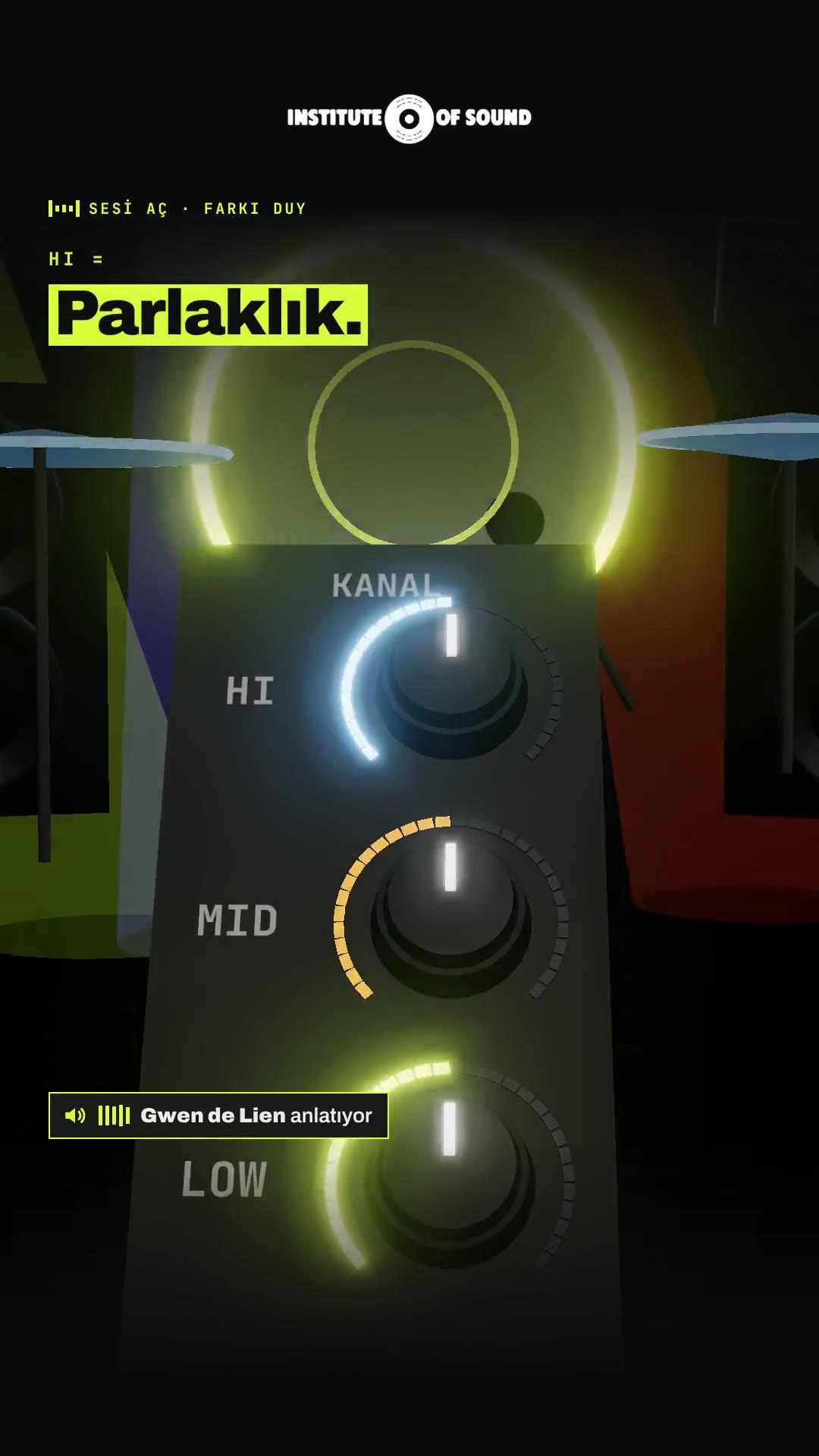
- Using EQ so the two tracks don't clash.
- Watching the floor and playing to the energy, not the plan.
All at once, so nobody notices, dozens of times a night. Every transition is a small live performance.
The hand-waving question
"They keep waving their hands." Some really do. Sometimes the floor wants it; the bond between DJ and crowd grows through a gesture. Sometimes a transition lasts 32 beats and the DJ's hands are free for a moment: EQs set, tracks aligned, next move a phrase away. Connecting with the floor then is part of the job.
Waving isn't a crime. Only waving is.
But: some really do just press play
Pre-recorded sets, headphones on but listening to nothing, hands that look busy but do nothing. These exist too.
The floor notices. At 2 a.m. when energy dips, a pre-made set isn't listening to you. A DJ playing a recording can't respond to the night's surprises, and over time loses the floor's trust.
Our view: the debate shouldn't be "do DJs press play?" but "is this DJ listening to the floor?"
The real point: a good DJ is invisible
You don't notice a good transition. You only notice you're still dancing. The DJ's job is for the work to stay unseen. The irony: the better you are, the more it looks like you're doing nothing. A bad transition grabs attention; a perfect one sounds like the music's natural flow.
So sometimes "what's a DJ" can be read as a compliment.
If you want to see inside the booth
The best way to settle it is to stand at the deck yourself. The first time you try to join two tracks, you'll see how far "just pressing play" is from the truth.
Pressing play vs preparation
Preparation and a pre-made set are not the same. Many good DJs choose tracks, think through possible transitions and plan the set's direction before going on. That's professionalism, not cheating. The difference is how the plan is used on stage: a prepared DJ uses it like a map and changes route if the floor wants to go elsewhere; someone playing a recorded set uses autopilot and ends up in the same place whatever the road.
So "did this DJ prepare?" isn't the meaningful question. The real one: "can this DJ change their preparation to fit the floor's needs right now?" That flexibility only exists when the technical basics are solid.
Try it in the booth
At your next club night, watch only the DJ for five minutes. Count how often they lift the headphones, touch an EQ, look at the floor. Then catch a transition: when does the incoming track become audible, when does the bass change? This small observation will change how you see the booth.
On Sundays at our free workshop, you take the deck, even with zero experience. Have you ever said "what's a DJ"? Get in touch for details.